Parliament vs. Government
Government - the people in charge of operating the country. Parliament - the whole institution, inclusive of the House of Lords.
Core Executive
The core executive is “the heard of the government, responsible for implementing policy.”
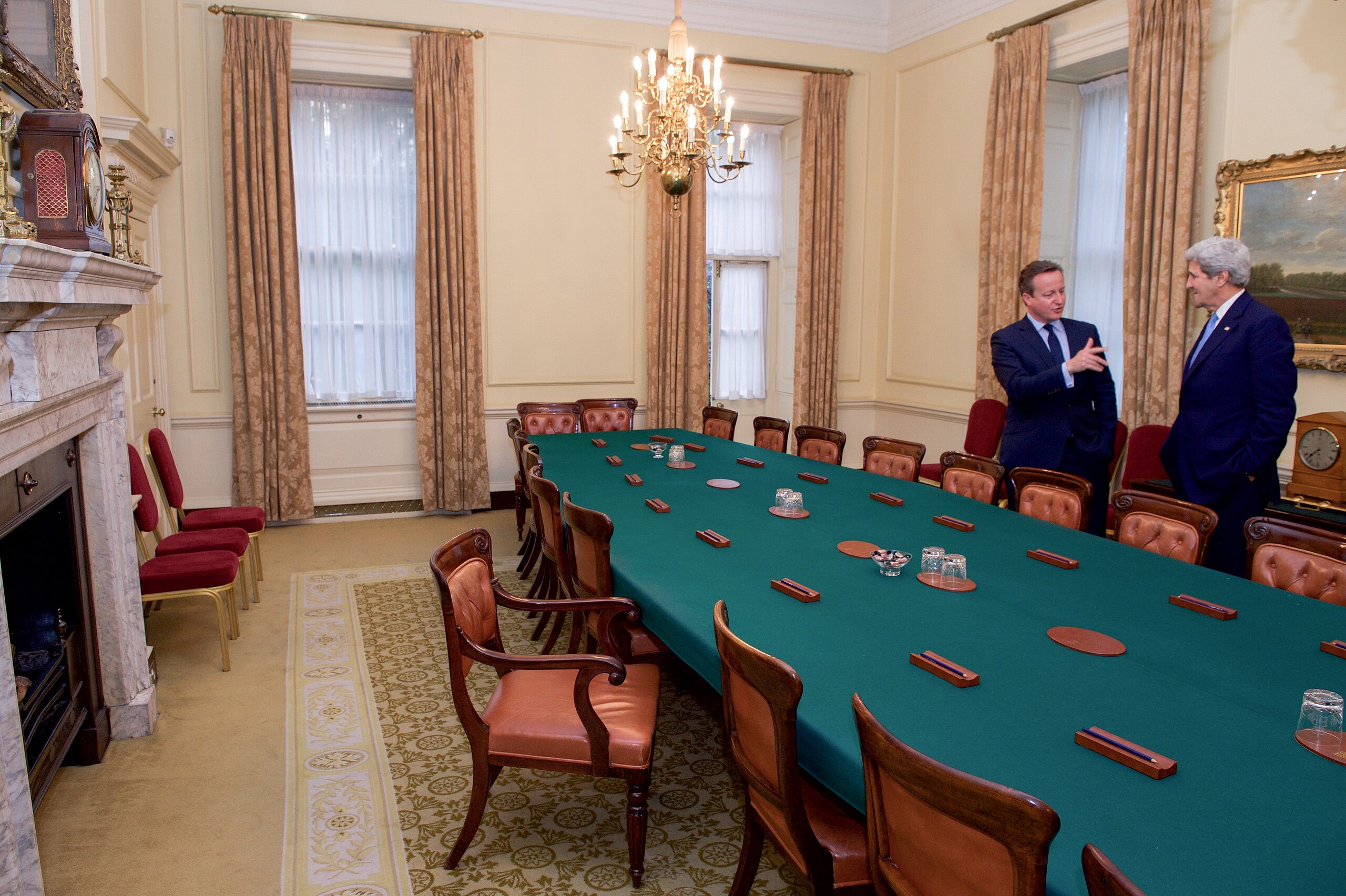
The core executive is inclusive of:
- Prime Minister
- Cabinet
- Cabinet Committees
- Cabinet Office
- Government Departments
- Senior Civil Service
They have four main core functions:
- Making policy
- Proposing law
- Forming a budget
- Leadership in emergencies
Examples of Function
- Kwasi Kwarteng’s Mini-Budget 2022 - cutting the top rate of tax and committing to higher spending
- Covid-19 pandemic 2020-2023 - government playing a vital role in overseeing the reaction to the pandemic
- The Rwanda Migration Deal 2022 - setting out policy to send a number of asylum seekers entering the UK to Rwanda
- Summer Riots 2024 - Keir Starmer increasing police presence in affected areas, leading to over 1,000 arrests - instructed courts to fast track these cases
- Renters’ Rights Act 2025
Cabinet Committees
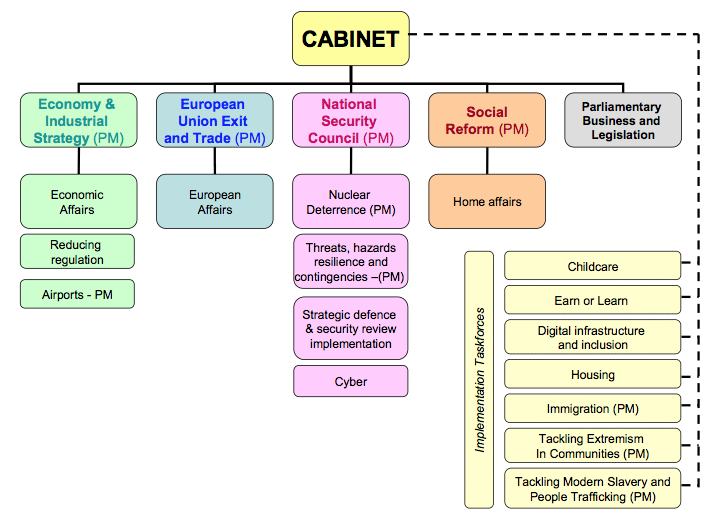
Outdated diagram - from 2016/17.
Any ministers outside of these committees may be invited.
Structure
Civil Service
The Civil Service delivers public services, implements government policies, and provides impartial advice, working across various sectors like education, defence, health, and environment to run the country effectively, handling everything from paying pensions to issuing licenses and developing national strategies.
Civil servants are politically impartial, bound by values of integrity, honesty, objectivity, and impartiality, ensuring they serve the government of the day, regardless of political party.
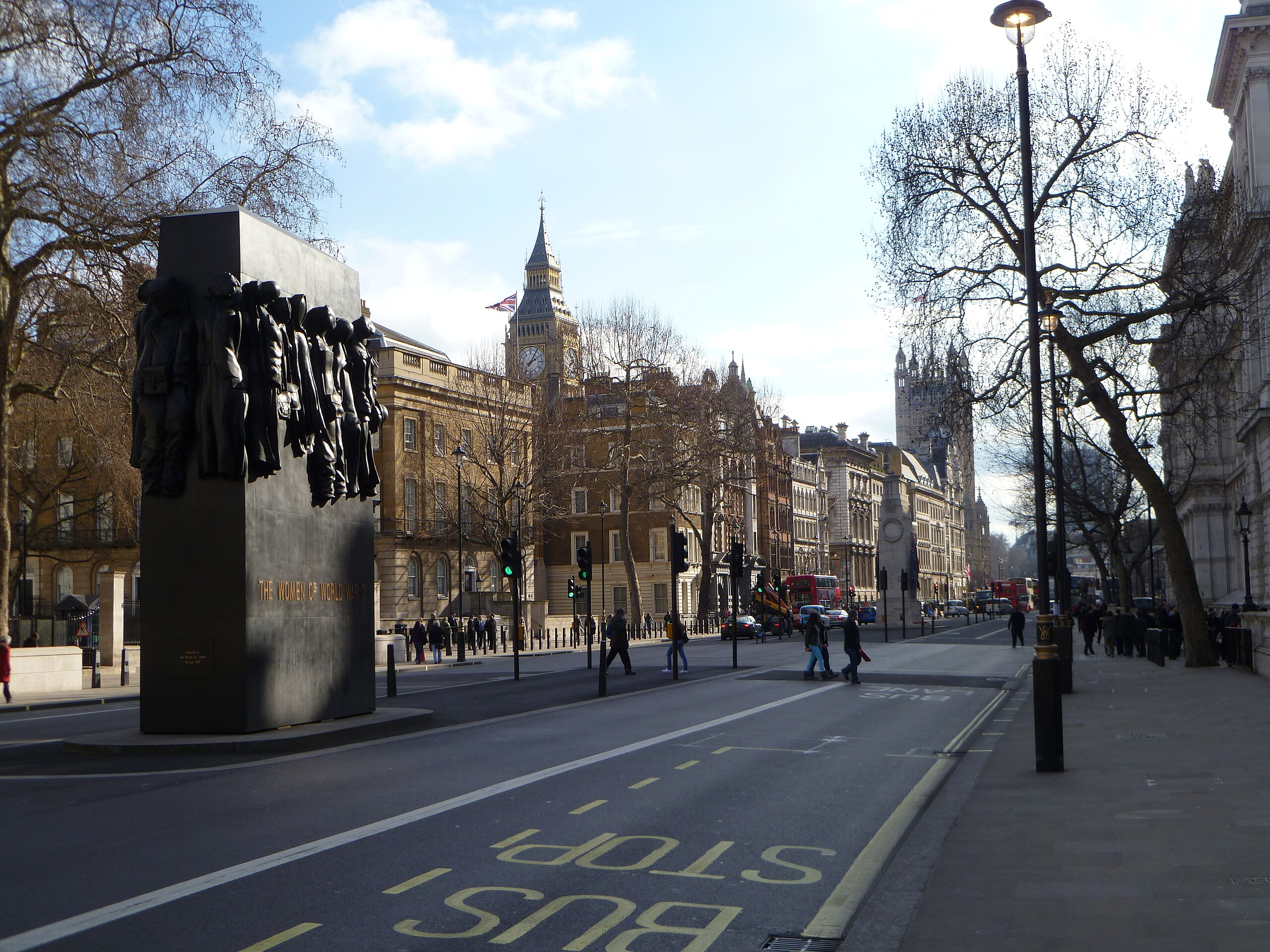
They work from White Hall - very close to Parliament.
Royal Prerogative
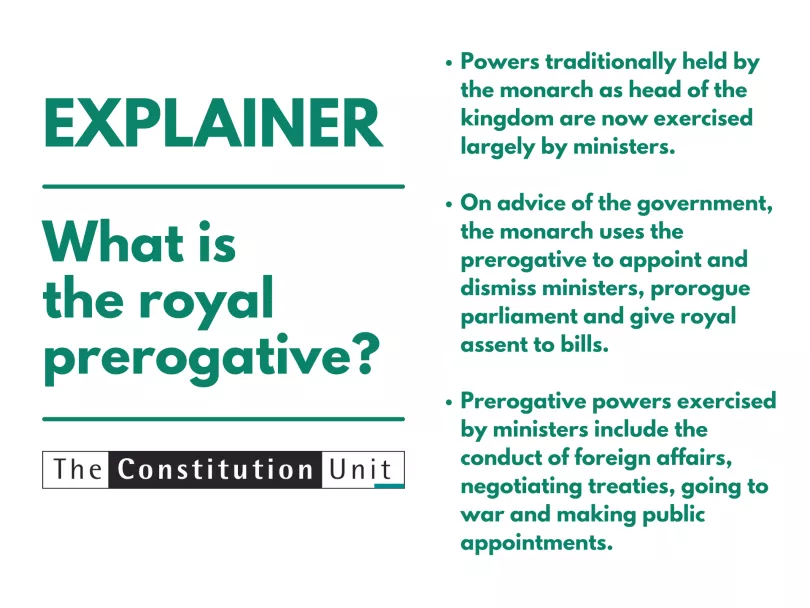
- Powers traditionally held by the monarch are exercised largely by ministers
- The monarch uses the prerogative to appoint and dismiss ministers, prorogue parliament, and give royal assent to bills on advice of the government.
Prime Minister
- Royal prerogative powers are given directly to the Prime Minister
- They can exercise them, but going to directly war without debating it in parliament is poor practice
Executive
- The executive also has powers, however not full control over the agenda in Parliament, giving their bills priority to be debated and voted on.
- Since they usually have a majority, they often are voted through.
Key Terms
- Prime Minister - the leader of the UK government, usually the leader of the largest party in the House of Commons.
- The Cabinet - the committee of senior ministers responsible for controlling government policy
- Minister/Secretary of State - the MP or Lord chosen to lead a government department
- Government Department - an area of the government responsible for policy in a certain area
- Civil Servants - neutral government workers responsible for helping ministers to carry out their work - implementing government policy