Warning
This document was AI generated.
The “Father of Conservatism”
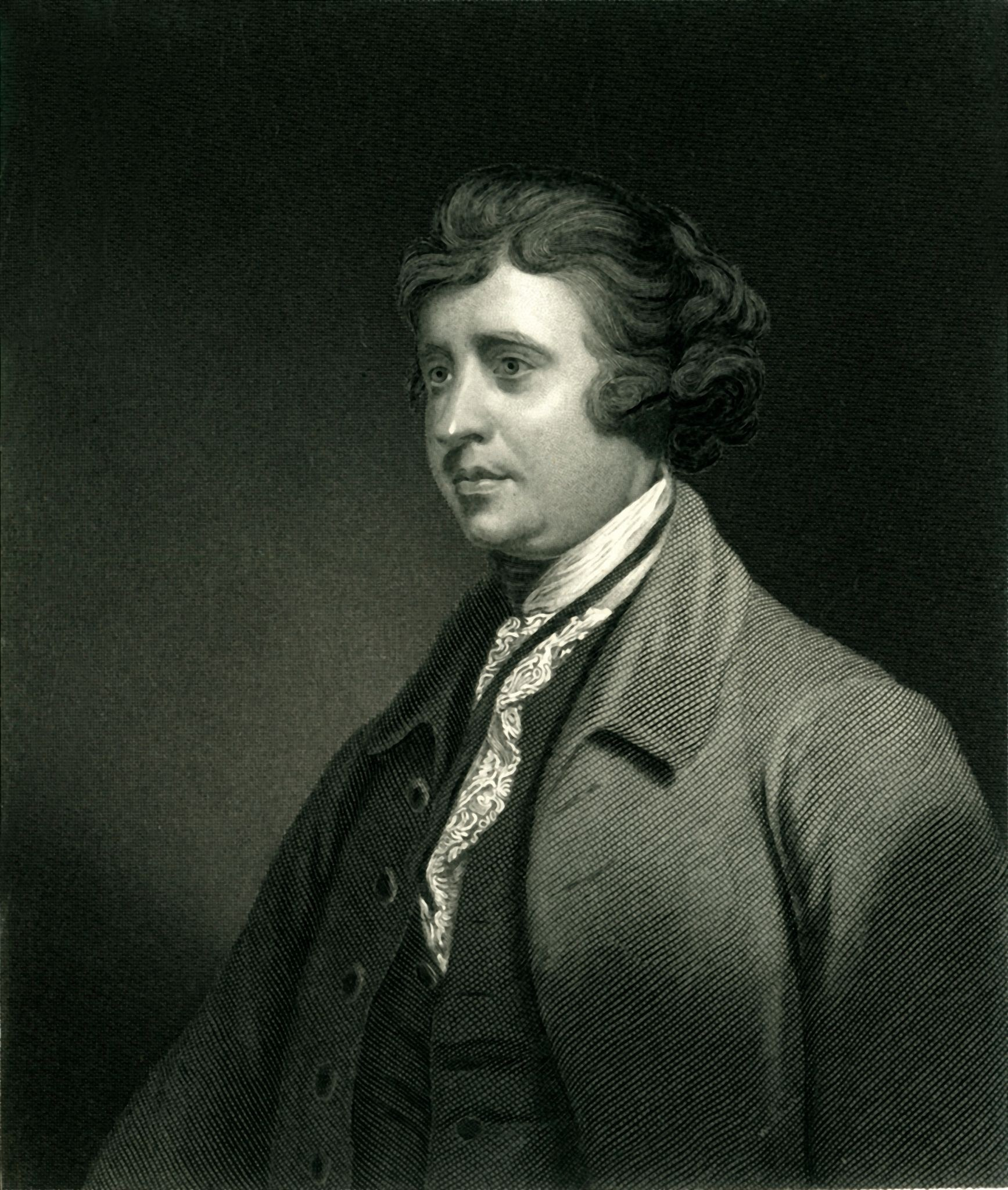
Edmund Burke (1729-1797) was a Whig MP widely considered the founder of modern conservatism. His philosophy emerged as a reaction to the Enlightenment and, most specifically, the French Revolution.
The French Revolution (1789)
Burke’s most influential work, Reflections on the Revolution in France (1790), was an impassioned critique of the revolution.
- Opposition to “Rationalism”: He denounced the revolution for being based on “philosophical abstractions” and utopian ideals rather than experience and history.
- Defence of Hierarchy: He attacked the revolution’s egalitarianism, arguing that a ruling class is inevitable and desirable in any organic society.
- Critique of the State: He condemned the new French Republic for its highly centralised structures, which overrode local loyalties.
Key Principles
1. “Change to Conserve”
Burke argued that for something valuable to be preserved, it must be continuously updated.
“A state without the means of change…is without the means of its conservation.”
- Organic Change: Change should be cautious, gradual, and rooted in tradition (like a plant growing) rather than radical or revolutionary (like a machine being rebuilt).
2. Human Nature and “Little Platoons”
Unlike Hobbes, Burke had a more nuanced view of human imperfection:
- Communal Nature: He argued that humans are naturally communal and gain security from small, diverse communities he called “little platoons”.
- Capability for Good: While fallible, humans are capable of kindness and altruism when their actions are rooted in history, tradition, and the teachings of the Christian church.
3. Society as a Partnership
Burke viewed society as an organic entity that emerges gradually over time.
- Intergenerational Contract: He famously described the ideal society as a “partnership between those who are living, those who are dead and those who are yet to be born.”
- Tradition: Customs and habits provide security in an uncertain world.
4. Empiricism over Theory
Burke preferred empiricism (what is) over normative theory (what should be). He believed that wisdom is achieved through experience, trial, and error, rather than abstract philosophy.